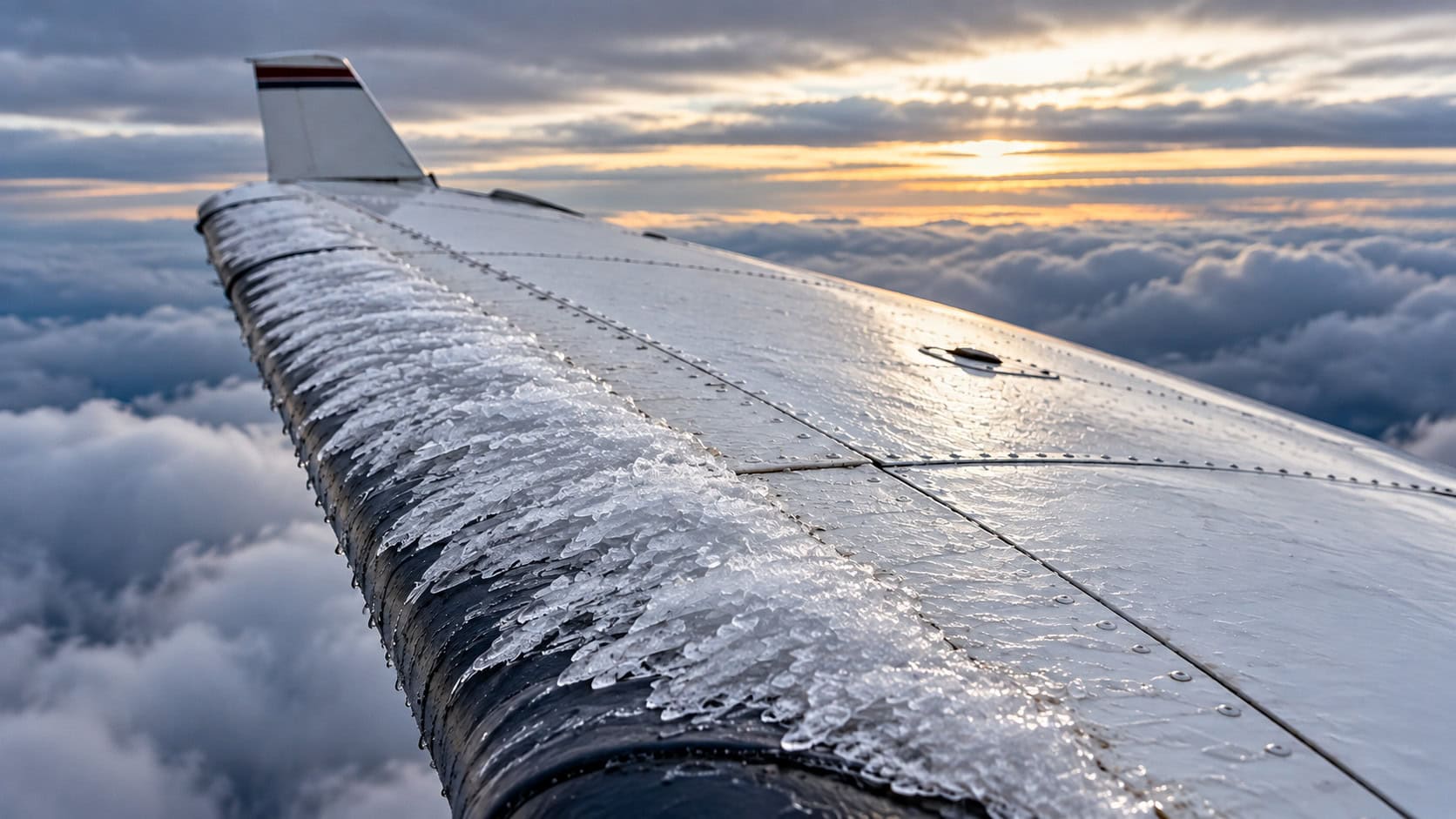
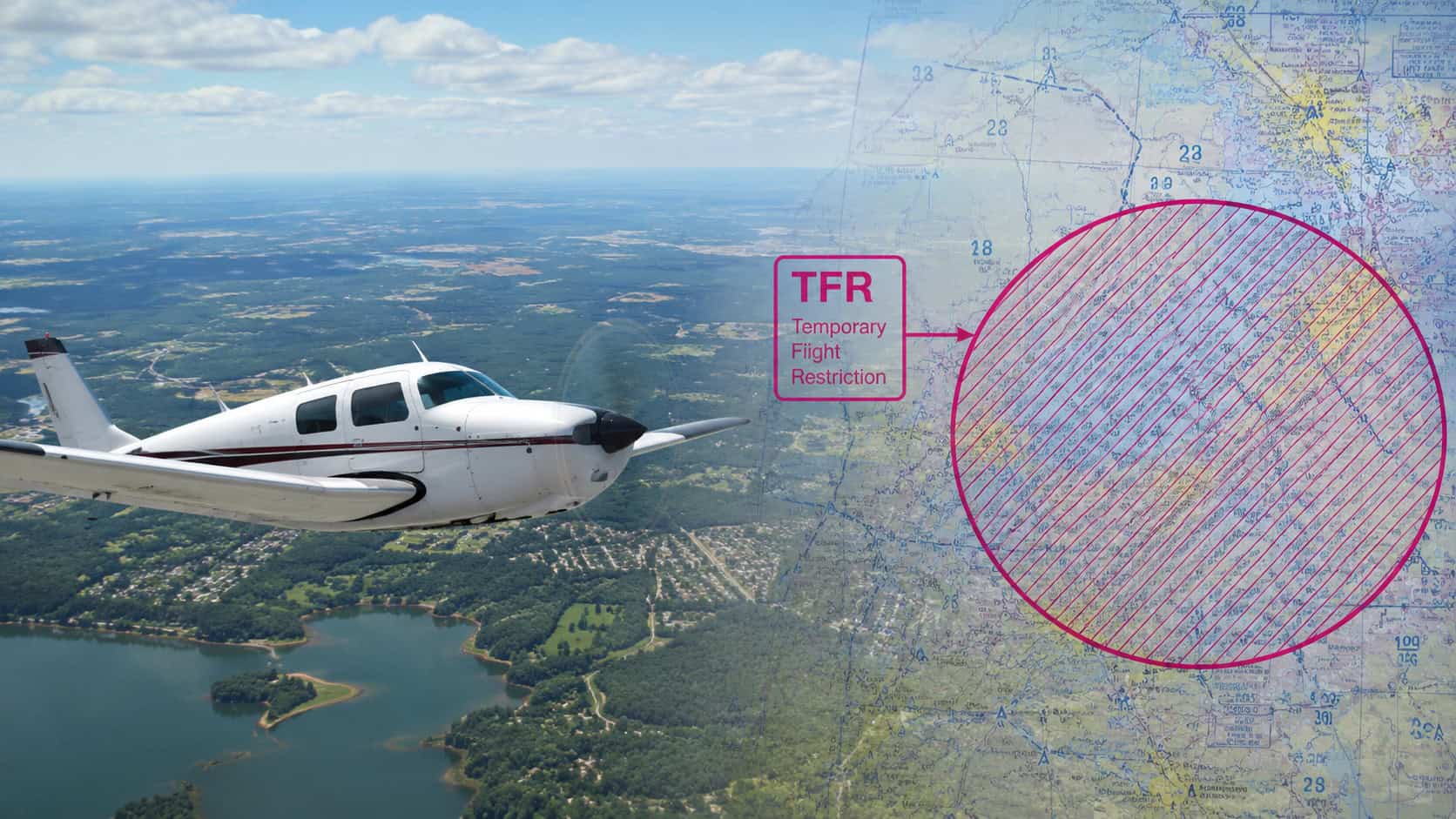
Ice accumulation on a general aviation aircraft surface during cold-weather flight

Aircraft Icing Explained: What GA Pilots Need to Know Before Cold-Weather Flying

Aircraft icing can change an airplane’s aerodynamics, performance, and handling while creating hazards for engines, instruments, and other systems. Learn how structural icing forms, what rime, clear, and mixed ice mean, how pilots evaluate icing forecasts and PIREPs, and what FAA guidance says about known icing conditions.

General aviation pilot reviewing weather information with a headset and flight-planning materials

What Is a PIREP? Pilot Weather Reports Explained

A PIREP gives pilots and forecasters a real-world report of conditions actually encountered in flight. Learn what PIREPs include, the difference between UA and UUA reports, when ATC solicits them, and how pilots can make useful reports.

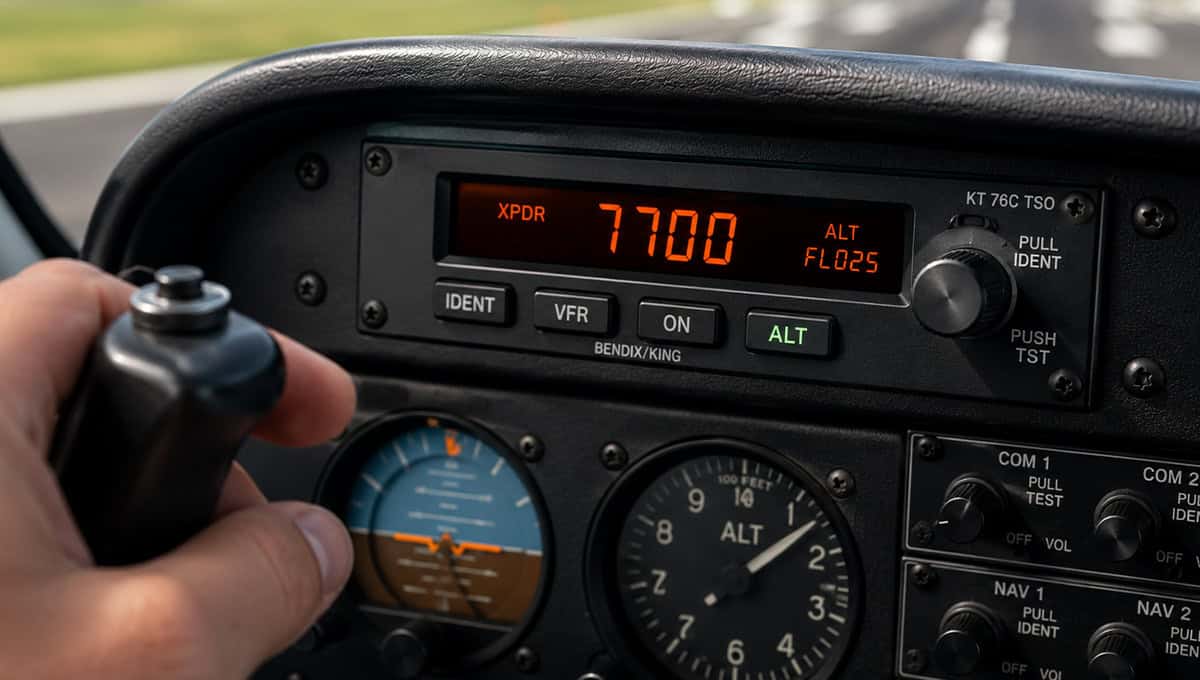
Aircraft transponder showing squawk code 7700 in cockpit.

Squawk Codes 7500, 7600 and 7700: What They Mean in Aviation

Squawk codes 7500, 7600 and 7700 can silently tell air traffic control that an aircraft is facing unlawful interference, a radio failure or a general emergency. Here is what each code means, what controllers see and what happens next.

Free Shipping

Orders over $75 within United states.

Fast Turnaround

Stock designs shipped within 24hrs.

Savings

Sign up for our newsletter to receive coupons and save.

100% Secure Checkout

PayPal / MasterCard / Visa