

Fall can be one of the most enjoyable times of year to fly general aviation. The hottest days begin to fade, airports are often less hectic than during the peak summer event season, and a clear autumn afternoon can make even a familiar local flight feel worth planning.
But fall also changes several parts of the flying day at once. Sunrise comes later, sunset arrives earlier, overnight temperatures fall, morning moisture can turn into fog or frost, and freezing levels may move closer to altitudes routinely used by light aircraft. Good fall flying tips for pilots are therefore less about one special autumn procedure and more about recognizing how the margins have shifted since summer.
The goal is not to treat fall as a hazardous season. It is to adjust the planning habits that made sense in July before they quietly stop making sense in October or November.
Pilot Guide: What Changes When Fall Flying Season Arrives?
Fall flying often brings cooler, denser air than the hottest part of summer, but it also brings shorter daylight, a greater chance of cold early-morning surfaces, seasonal fog, and an earlier transition into nighttime operations.
Recheck weather close to departure, calculate aircraft performance from the actual conditions, inspect the airplane carefully for frost or other contamination, and know exactly when sunset, civil twilight, and your applicable night-currency window occur.
The practical takeaway: do not fly an autumn trip with a summer planning clock.
Why Fall Flying Deserves a Different Planning Mindset
Nothing magical happens to an airplane on the first day of fall. The seasonal change matters because several environmental factors begin moving together.
A trip that comfortably fit between breakfast and sunset in June may end much closer to darkness in October. An airport that was hot and dry on summer mornings may now begin the day under a shallow layer of fog. An airplane parked outside overnight may require a more deliberate surface inspection before departure. At higher elevations or farther north, temperatures aloft may also put a previously routine cloud layer into a different icing conversation.
That is why fall planning works best as a transition rather than a new checklist invented from scratch. Many of the same habits discussed in our spring flying tips still matter, but the seasonal trend is now moving in the opposite direction: less daylight, lower temperatures, and a gradual approach toward winter operating conditions.
Fall flying rarely changes one big thing. It changes several small things at once, and those small changes can add up to a very different flight than the one you made on the same route in July.
Cooler Air Can Help Performance, but Still Run the Numbers
One welcome change from peak summer is that cooler air is generally denser than hot air. All else being equal, lower density altitude can improve aircraft performance compared with the same airport on a very hot day.
The important phrase is all else being equal.
The FAA notes that high density altitude reduces aircraft performance, including takeoff and climb capability. Cooler autumn temperatures may reduce that particular summer penalty, but pilots should still use the aircraft’s approved performance information for the actual pressure altitude, temperature, aircraft weight, runway, wind, and other applicable conditions.
Our density altitude guide explains why hot-weather performance can be so different. Fall is a useful reminder of the reverse effect, but cooler weather is not a reason to skip a performance calculation.
Watch the Morning for Fog and Low Ceilings
Early fall mornings deserve special attention, particularly after clear nights with plenty of low-level moisture.
Radiation fog develops as the ground and the air near it cool overnight toward saturation. FAA material identifies radiation fog as especially prevalent during fall and winter, with sheltered valleys and areas near water among the locations where it commonly develops.
A narrowing temperature-dew point spread is one useful clue, but it should not become a single-number go/no-go test. A METAR samples conditions around a reporting location, nearby conditions can differ, and weather can change between observations. Use the broader weather picture instead of treating one observation as the whole briefing.
For current planning, the FAA’s 2026 Aviation Weather Handbook is a useful primary reference for weather theory and aviation weather products.
The National Weather Service Aviation Weather Center also provides METARs, TAFs, PIREPs, graphical forecasts, ceiling and visibility information, icing products, winds, and other operational weather data.
Do Not Assume the Fog Will Burn Off on Your Schedule
Pilots often know that radiation fog can improve after sunrise. That does not make a predicted improvement a departure clearance from the atmosphere.
If your trip depends on a ceiling or visibility improvement at a particular time, build flexibility into the plan. Check the latest observations and forecasts before leaving, compare nearby reporting stations, look at trends rather than a single observation, and be willing to move the departure time.
Those are planning recommendations, not regulatory weather minimums. The applicable VFR or IFR rules still govern the flight.
Frost Can Arrive Before It Feels Like Winter
One of the easiest seasonal traps is associating frost only with deep winter.
An aircraft parked outside can lose heat through radiation on a clear night. Its surface may become cold enough for frost even when the surrounding air temperature does not initially look like a classic hard-freeze morning. FAA icing guidance emphasizes that frost can materially affect aerodynamic performance and should not be dismissed because the coating looks thin.
For the typical general aviation pilot, the safest editorial rule is simple: do not treat visible frost on a lifting surface as harmless. Remove frozen contamination using methods approved for the aircraft, and follow the aircraft’s POH or AFM and all regulations that apply to that aircraft and operation.
This is an important place to distinguish guidance from regulation. Different operating rules apply to different aircraft and operations, so a broad statement that one specific frost regulation governs every Part 91 light-airplane flight would be inaccurate. The aircraft limitations, applicable regulations, and current FAA guidance all matter.
Fall Can Bring Icing Concerns Closer to Normal GA Altitudes
Ground frost and in-flight icing are separate issues, but the seasonal cooling that produces one should remind pilots to think about the other.
As temperatures aloft fall, the freezing level can descend into altitude ranges commonly used for general aviation cross-country flying. Visible moisture combined with temperatures conducive to icing requires serious attention, particularly in an aircraft not approved or equipped for the conditions being considered.
FAA weather guidance emphasizes checking freezing levels and the broader icing picture rather than assuming that warmer air exists below every icing encounter. Temperature inversions can complicate that assumption, and freezing rain or other supercooled liquid water can create especially serious conditions.
This article is not a substitute for an icing course, current FAA publications, an instructor, or your aircraft documentation. For a fall trip that may involve clouds near freezing temperatures, use current official weather information and know the limitations of both the pilot and the aircraft.
Remember That Carburetor Ice Is Not a Winter-Only Problem
For aircraft with susceptible induction systems, cooler fall weather is also a good reminder to review the aircraft-specific procedure for carburetor ice.
The FAA notes that carburetor icing can occur in relatively warm, humid conditions because pressure changes and fuel vaporization can cool the air inside the carburetor enough for ice to form. That makes carb ice a conditions-and-system issue, not simply a below-freezing-weather issue.
Use the procedure published for the aircraft you fly rather than applying a generic technique or temperature threshold.
Shorter Days Can Turn a Day Trip Into a Night Flight
For many pilots, this is the most predictable fall change and one of the easiest to underestimate.
Sunset moves earlier as the season progresses. A lunch flight, fuel stop, maintenance delay, slow restaurant service, or stronger-than-forecast headwind can turn a planned daytime return into a twilight or nighttime arrival.
The FAA’s rules use several related but different time periods, and pilots should not treat them as interchangeable.
FAA Definition of Night
Under 14 CFR 1.1, night is the period between the end of evening civil twilight and the beginning of morning civil twilight, as published in the Air Almanac and converted to local time.
Required Position Lights
14 CFR 91.209 uses a sunset-to-sunrise period for required position lights, with a separate Alaska provision in the rule. It also addresses operation of installed anticollision lights.
Night Passenger Currency
For the passenger-carrying recent-experience requirement in 14 CFR 61.57(b), the relevant window begins one hour after sunset and ends one hour before sunrise. Within the preceding 90 days, the pilot generally must have completed the required three takeoffs and three landings to a full stop during that specified period, in an aircraft of the same category, class, and type if a type rating is required.
Our article on Fourth of July night flying also discusses the practical transition from daylight into nighttime operations.
These distinctions are regulations, not pilot folklore. A personal choice to land 30 minutes before sunset, for example, may be a conservative planning margin, but it is not itself an FAA rule.
Recheck Weather Instead of Treating the Morning Briefing as Permanent
Fall weather can make a long cross-country particularly sensitive to timing. The departure may be under morning fog while the destination is clear, followed several hours later by a frontal passage, changing winds, or lowering ceilings somewhere along the route.
A good weather briefing is therefore a process, not an event that ends when the engine starts.
For longer trips, update the weather picture before departure and use appropriate in-flight sources and services as conditions evolve. A current METAR tells you what was observed around one reporting location. A TAF addresses a terminal forecast. PIREPs add real-world observations from other aircraft. Broader graphical and forecast products help put individual stations into context.
If you are flying VFR, VFR flight following can add useful ATC traffic advisories and other assistance on a workload-permitting basis, but it does not transfer the pilot’s responsibility for weather avoidance, VFR compliance, navigation, or decision-making to ATC.
Give the Airplane a Fall-Specific Preflight Look
A fall preflight is still your normal aircraft preflight. The difference is knowing which details deserve more attention as temperatures and daylight change.
- Inspect for frost, ice, moisture, and other contamination, especially after a clear, cold night.
- Verify exterior and cockpit lighting before a trip that could extend toward sunset or darkness.
- Use the aircraft’s approved cold-start or preheat guidance when temperatures make it applicable. Do not invent a universal preheat temperature for every engine.
- Check current weather again, including ceiling, visibility, winds, temperature-dew point trends, freezing levels, and icing information when relevant.
- Review NOTAMs and temporary restrictions for the route and destination. Our TFR guide explains why temporary restrictions need their own preflight check.
- Know the daylight timeline, including sunset and the night-related regulatory windows that apply to the flight.
- Plan for the conditions outside the cockpit. A warm cabin does not help much if a diversion, mechanical delay, or unexpected night on the ground leaves you standing on a cold ramp.
Build More Margin Into Fall Cross-Country Plans
Fall does not necessarily require dramatically larger margins on every flight. It does reward pilots who notice when a small timing problem can cascade.
Suppose the destination is two hours away and sunset is only three hours after the planned arrival. A fuel delay of 30 minutes, lunch running long, and a 20-knot headwind on the way home may be enough to move the return into darkness. Add a destination without the lighting or services you expected, and the character of the trip has changed considerably.
A practical fall plan might include an earlier departure, a firm turnaround time, an airport with better services as a backup, enough fuel flexibility to avoid rushing a marginal decision, and a clear understanding of whether you are comfortable and current for the nighttime portion that could develop.
Those are risk-management choices, not substitute regulations. The pilot in command still needs to meet all applicable operating, fuel, weather, equipment, and currency requirements.
Fall Is Also One of the Best Seasons to Enjoy General Aviation
None of this should make autumn flying sound joyless.
For many pilots, fall is exactly the kind of season general aviation is good at revealing: a breakfast flight in cool morning air after the fog clears, a short cross-country over changing landscapes, a quieter airport after the major summer fly-ins, or the first trip of the year that makes a jacket feel useful during preflight.
The personal connection between a pilot and an airplane often shows up most clearly on these ordinary seasonal flights. It is the same familiar tail number and the same hangar routine, but the environment has changed enough to make the flight feel new again.
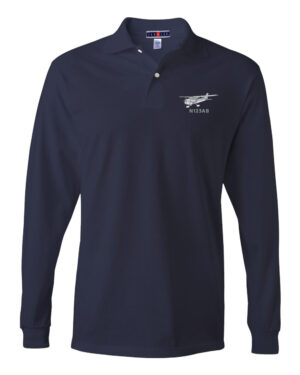
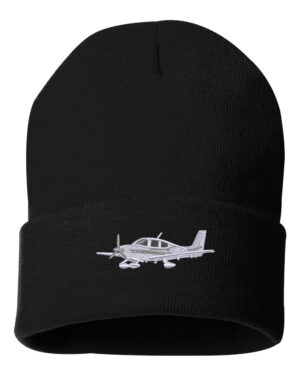
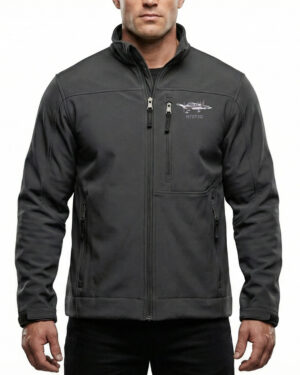
Cool-Weather Gear for the Ramp
Cooler mornings make fall a natural time for layers that work from preflight through the rest of the day. Tail Number Gear is an independent aviation apparel brand, and aircraft manufacturer and model names are used descriptively to identify the pilots and aircraft communities the designs are intended for. No manufacturer endorsement or affiliation is implied.
Frequently Asked Questions About Fall Flying
Is fall a good time for general aviation flying?
Yes. Fall can offer enjoyable general aviation flying, particularly as extreme summer heat eases. The season also brings shorter daylight, cooler mornings, fog, frost, and changing freezing levels, so pilots should adjust planning to the actual conditions rather than assuming a summer routine still fits.
Why is morning fog common during fall?
Radiation fog can form when the ground and the air near it cool overnight until the air becomes saturated. Clear skies, moisture, and relatively light winds can favor its development, and FAA material identifies radiation fog as especially prevalent during fall and winter.
Can I take off with a little frost on the wing?
Do not treat a thin layer of frost as harmless. FAA guidance warns that even small amounts of frozen contamination can adversely affect aircraft aerodynamics. Remove frost, snow, or ice using methods appropriate for the aircraft, and follow the aircraft’s POH or AFM and all regulations that apply to the aircraft and operation.
Does cooler fall air improve airplane performance?
Cooler air generally means lower density altitude than very hot conditions at the same airport, which can improve performance all else being equal. Pilots should still calculate takeoff, climb, and landing performance using the approved aircraft information and the actual conditions.
When does the FAA consider it night?
14 CFR 1.1 defines night as the period from the end of evening civil twilight to the beginning of morning civil twilight. Other rules use different time periods: position lights are generally required from sunset to sunrise, while the passenger-carrying night currency window in 14 CFR 61.57(b) begins one hour after sunset and ends one hour before sunrise.
Can carburetor ice occur when the temperature is above freezing?
Yes. Carburetor icing can occur in relatively warm, humid conditions because pressure changes and fuel vaporization can cool the air inside the carburetor substantially. Pilots should know and follow the carburetor-heat or induction-system procedures published for the aircraft they fly.
What should I check before a fall cross-country flight?
Check current and forecast weather, ceiling and visibility trends, winds, temperature-dew point trends, freezing levels and icing information when relevant, aircraft performance, fuel, NOTAMs and TFRs, sunset and night-related timing, aircraft lighting, surface contamination, and the aircraft-specific procedures that apply to colder conditions.

[…] two ideas are related, but they are not interchangeable. As we noted in our fall flying tips for pilots, shorter days can change the character of an otherwise routine trip surprisingly […]
[…] can change quickly, those observations can add useful context to a broader weather picture. Our fall flying tips for pilots cover several of the seasonal conditions that make current weather information especially […]