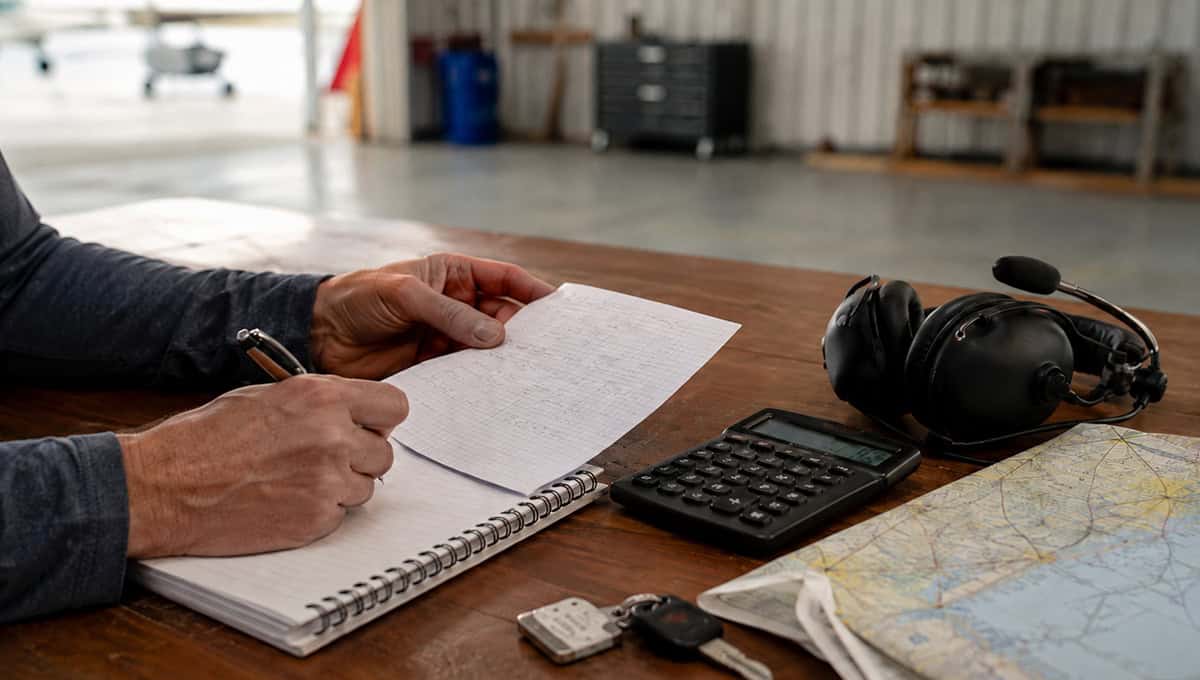
For a pilot thinking about buying a first airplane, the asking price is usually the easiest number to see. The harder question is what happens after the keys change hands.
Aircraft ownership costs include much more than fuel. Depending on the airplane and how it is used, an owner may need to budget for financing or tied-up capital, insurance, hangar or tie-down space, inspections, maintenance, fuel and oil, engine and propeller reserves, avionics and data subscriptions, taxes or local fees, training, and unexpected repairs.
That is why there is no credible one-size-fits-all answer to the question, “How much does it cost to own a small airplane?” A simple airplane that is inexpensive to buy can become costly if it has deferred maintenance or difficult parts support. A more expensive airplane may carry higher insurance, fuel, storage, and maintenance costs even when it is in excellent condition.
The useful question is not, “What does airplane ownership cost on average?” It is, “What will this specific airplane cost me to own for the way I actually plan to fly it?”
Quick Answer: How Much Does It Cost to Own a Small Airplane?
There is no single annual number that applies to every small airplane. A realistic ownership budget should account for four broad areas: acquisition costs, fixed annual costs, variable flying costs, and reserves for future or unexpected maintenance.
Fixed costs can include insurance, storage, inspections, financing, subscriptions, and certain taxes or fees. Variable costs typically rise with flying time and can include fuel, oil, routine wear, and maintenance reserves.
The best estimate comes from the specific airplane, local quotes, its maintenance history, and the number of hours you genuinely expect to fly.
Why Aircraft Ownership Costs Are So Difficult to Average
Two pilots can own airplanes with similar purchase prices and have completely different annual expenses.
One may keep an airplane tied down at an affordable rural airport, pay cash for the purchase, fly modest hours, and have a mechanically straightforward year. Another may finance the purchase, rent a hangar in a high-cost metropolitan area, carry a higher insured value, fly frequently, and encounter a major maintenance event.
Even two examples of the same aircraft model can produce different budgets because of age, equipment, engine and propeller condition, avionics, corrosion history, modifications, parts availability, and previous maintenance.
This is why aircraft ownership costs are best approached as a budget made from several individual categories instead of a single advertised “cost per year.”
Start With the Costs of Buying the Airplane
The first layer of aircraft ownership begins before the first flight as an owner.
Purchase Price or Financing
If the aircraft is financed, loan payments become a predictable ownership expense. A cash buyer avoids loan interest but still has capital tied up in the airplane that could otherwise be used elsewhere.
For budgeting purposes, it helps to keep the purchase decision separate from operating expenses. An airplane with an attractive purchase price is not necessarily inexpensive to own after insurance, storage, maintenance, and fuel are added.
Prepurchase Inspection and Due Diligence
A prepurchase inspection, usually called a prebuy, is a buyer due-diligence step rather than a universal FAA operating requirement. Its purpose is to help a prospective buyer understand the condition of the aircraft and its records before completing the purchase.
A strong prebuy is particularly valuable because deferred maintenance can change the ownership budget immediately. Buyers should work with qualified aviation professionals familiar with the aircraft type and should not assume that a recent annual inspection answers every purchase-related question.
Taxes, Registration, Title, and Closing Costs
Depending on the transaction and location, a buyer may encounter sales or use tax, property tax, title or escrow services, registration-related expenses, or other administrative costs. These vary significantly by jurisdiction and ownership structure, so they should be investigated for the specific transaction rather than estimated from somebody else’s airplane.
If the aircraft will receive a different registration number, Tail Number Gear’s guide to reserving or changing an N-number explains the separate FAA process involved.
Fixed Aircraft Ownership Costs
Fixed costs are expenses that remain even if the airplane flies very little. They are the reason an airplane sitting quietly in a hangar is not necessarily a free airplane that month.
Hangar or Tie-Down
Storage is one of the most location-sensitive ownership expenses. A tie-down at one airport may cost far less than a private hangar at another, and hangar availability can be as important as price.
Owners should get an actual quote from the airport or storage provider they expect to use. A generic online estimate from another city is not especially useful for this category.
Aircraft Insurance
Insurance should also be quoted for the actual airplane and pilots involved. Aircraft value, pilot qualifications and experience, training, intended use, coverage choices, and underwriting conditions can all affect a quote.
For a buyer comparing airplanes, it is worth obtaining realistic insurance indications before committing to the purchase. A model that fits the purchase budget may produce a different insurance result than expected.
The Annual Inspection
This category needs an important distinction between regulation and budgeting.
Regulation: Under 14 CFR § 91.409, with the exceptions and alternative inspection programs described in the regulation, an aircraft generally may not be operated unless it has received the applicable annual inspection within the preceding 12 calendar months and has been approved for return to service.
The regulation also contains a 100-hour inspection requirement for certain operations carrying persons for hire and for flight instruction for hire when the person giving the instruction provides the aircraft. A 100-hour inspection is therefore not a blanket requirement simply because someone owns and flies a personal airplane.
Budgeting reality: The price quoted for an annual inspection is not necessarily the final maintenance bill. An inspection can uncover discrepancies that require maintenance before the aircraft can be approved for return to service. The condition of the particular airplane matters more than a generic “annual inspection cost” found online.
Subscriptions, Database Updates, and Other Recurring Expenses
Depending on the equipment and type of flying, an owner may pay for navigation databases, electronic flight bag subscriptions, charting services, weather or planning products, connectivity, or other recurring services.
Not every airplane requires the same subscriptions, and some owners need far fewer than others. The correct budget should reflect the actual installed equipment and mission.
Variable Costs: What Changes When You Fly More
Variable costs generally increase as flight time increases.
Fuel
Fuel is the obvious example, but it should be estimated from the airplane’s actual operating information and realistic local fuel prices. A buyer should not assume that another owner’s fuel expense will transfer directly to a different engine, mission, airport, or operating technique.
Oil and Routine Consumables
Oil, filters, tires, brakes, batteries, and other consumable or wear items may become part of the operating budget over time. Some costs arrive gradually. Others appear in larger maintenance invoices.
Routine and Unscheduled Maintenance
Airplanes are mechanical assets operating in a demanding environment. Components wear, seals leak, accessories fail, corrosion can develop, and older equipment eventually needs attention.
The difficult part of aircraft budgeting is that maintenance does not arrive in perfectly even monthly installments. An owner may have an inexpensive period followed by a much larger repair bill.
Engine and Propeller Reserves
Many owners create a per-flight-hour reserve for future engine, propeller, or other major work. That is a financial planning practice, not a universal FAA requirement to deposit a particular amount of money for every hour flown.
The reserve should be based on the aircraft’s actual equipment, condition, maintenance data, expected future work, and realistic replacement or overhaul economics. Using an arbitrary internet number can create a false sense of precision.
The Owner’s Regulatory Responsibility Is Separate From the Budget
Aircraft ownership has a regulatory side that should not be confused with financial planning.
Under 14 CFR § 91.403, the owner or operator is primarily responsible for maintaining the aircraft in an airworthy condition, including compliance with applicable requirements under Part 39.
That is a legal responsibility. It is different from recommendations such as building a maintenance contingency, funding an engine reserve, choosing a hangar instead of a tie-down, or paying for a prepurchase inspection.
Those choices may be sensible ownership practices, but they are not interchangeable with FAA requirements.
For the same reason, an owner should use current FAA regulations, applicable aircraft maintenance information, Airworthiness Directives, and qualified maintenance professionals when determining what work or inspection is actually required. A general budgeting article cannot determine the airworthiness requirements for an individual airplane.
Aircraft Ownership Costs First-Time Buyers Often Overlook
The major categories are easy to remember. The smaller ones are often what make the first ownership year feel different from the spreadsheet.
- Travel and repositioning costs: Getting the airplane home after purchase or traveling to a maintenance facility can add expense.
- Ground equipment: Covers, tow equipment, battery support equipment, cleaning supplies, and other aircraft-specific items may be needed.
- Training: A pilot may choose, or an insurer may require, aircraft-specific or recurrent training.
- Avionics work: Aging radios, displays, antennas, wiring, and other equipment can create expenses beyond routine engine and airframe maintenance.
- Downtime: An airplane in maintenance may create indirect costs if the owner still needs another way to travel or fly.
- Upgrades: Paint, interior, avionics, lighting, and comfort improvements may be optional, but they still belong in the ownership plan if the buyer already knows they are desired.
- Unexpected repairs: A realistic budget needs room for events that were not neatly predicted at the beginning of the year.
The purchase price gets an airplane into your name. The ownership budget is what keeps it airworthy, supported, and available to fly.
How to Build a Realistic Aircraft Ownership Budget
A buyer does not need a perfect prediction. The goal is to replace vague assumptions with airplane-specific information.
1. Estimate Your Real Annual Flying
Start with the number of hours you are genuinely likely to fly, not the number you hope to fly in an ideal year. Utilization matters because fixed costs are spread across however many hours the airplane actually flies.
2. Get Local Fixed-Cost Quotes
Check storage at the airports you would realistically use. Obtain insurance indications for the actual aircraft and pilots. If financing is involved, use the real proposed loan terms.
3. Review the Aircraft’s Maintenance Position
Consider inspection status, aircraft and engine time, propeller condition, avionics, known upcoming work, maintenance records, and any aircraft-specific concerns identified during the buying process.
The point is not to predict every failure. It is to avoid budgeting for an imaginary “average airplane” when you are buying one particular machine.
4. Calculate Variable Flying Costs
Use realistic fuel and oil assumptions for the aircraft and planned operation. Then add appropriate maintenance and major-component reserves based on information relevant to that airplane.
5. Add Recurring Administrative and Equipment Costs
Include subscriptions, databases, taxes or fees that apply in your location, training you expect to complete, and other recurring expenses associated with your equipment and mission.
6. Leave a Maintenance Contingency
Do not build a budget that works only if nothing unexpected happens. A separate contingency makes an unplanned repair a budgeted ownership risk rather than an immediate financial emergency.
AOPA also offers an aircraft operating cost calculator designed to estimate annual and per-flight-hour expenses using inputs that can be adjusted for factors such as local fuel, hangar, and insurance costs.
A simple planning framework looks like this:
Annual ownership budget = acquisition or financing costs + fixed annual costs + variable flying costs + future maintenance reserves + contingency.
It is less exciting than shopping aircraft listings, but this is where a potential owner learns whether the airplane actually fits.
Can Co-Ownership Reduce the Cost?
It can. Sharing an airplane can spread certain fixed expenses such as storage, insurance, and some scheduled costs among multiple owners.
That does not automatically make every partnership inexpensive or simple. Co-owners still need to address scheduling, maintenance decisions, insurance, funding, upgrades, operating rules, and what happens when someone wants to leave the arrangement.
For some pilots, co-ownership creates an excellent balance between access and cost. For others, the independence of sole ownership is a major part of why they want an airplane in the first place.
The important point is to compare ownership structures using the same realistic annual budget rather than focusing only on the acquisition price.
Ways to Control Ownership Costs Without Cutting Corners
The most effective cost decisions often happen before the airplane is purchased.
- Buy for the mission you actually fly. More airplane can mean more fuel, insurance, maintenance, and equipment than the mission requires.
- Investigate condition before purchase. A cheap purchase can become expensive if major deferred work appears immediately.
- Use local numbers. Hangar, fuel, insurance, and maintenance pricing should come from the environment where the airplane will actually live.
- Build reserves deliberately. Major work is easier to absorb when the budget anticipated that aircraft components eventually need attention.
- Consider shared ownership when it fits. Splitting fixed costs can work well when the ownership agreement and flying needs are compatible.
- Do not treat deferred airworthiness work as cost control. Required maintenance and inspections are responsibilities, not optional budget categories.
When Does Owning an Airplane Make Sense?
Aircraft ownership is not always the cheapest way to log a flight hour. Rental aircraft, flying clubs, partnerships, and other arrangements may be financially attractive depending on a pilot’s location and mission.
But owners are not buying flight hours alone.
Ownership can provide access to a familiar airplane, control over scheduling, the ability to equip it for a particular mission, and the satisfaction of building history with one specific aircraft.
That personal connection is part of why an aircraft registration becomes more than paperwork. If you are new to that side of aviation, our guide to what a tail number means explains how the N-number identifies a U.S.-registered aircraft and why pilots often become attached to a particular registration.
A good ownership decision therefore has two tests. The airplane needs to make financial sense for the owner’s resources, and it needs to make practical sense for the flying the owner actually wants to do.
If both answers are yes, the purchase price is only the beginning of the story.
Carry Your Tail Number Beyond the Ramp
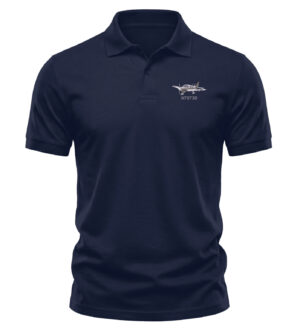
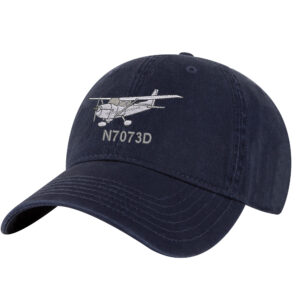
Once an airplane becomes your airplane, its N-number often becomes part of the ownership identity. Tail Number Gear creates independent, aircraft-inspired apparel personalized around that connection. Tail Number Gear is not affiliated with, sponsored by, or endorsed by aircraft manufacturers; manufacturer and model names are used descriptively to help pilots identify relevant aircraft silhouettes.
For more on that part of aircraft-owner culture, see why personalized tail-number gear resonates with aircraft owners.
Frequently Asked Questions About Aircraft Ownership Costs
What is the biggest cost of owning a small airplane?
There is no single biggest cost for every owner. Financing, storage, insurance, fuel, or maintenance may dominate depending on the aircraft, location, utilization, and condition. The best comparison uses actual quotes and aircraft-specific information rather than a generic national average.
Is an annual inspection required every year?
For aircraft subject to 14 CFR § 91.409(a), the applicable annual inspection must generally have been completed within the preceding 12 calendar months before the aircraft is operated, subject to the exceptions and alternative inspection programs in the regulation. Owners should verify the requirements that apply to their specific aircraft and operation.
Does a privately owned airplane need a 100-hour inspection?
Not simply because it is privately owned. The 100-hour requirement in 14 CFR § 91.409(b) applies to specified operations carrying persons for hire and to flight instruction for hire when the person giving the instruction provides the aircraft, subject to the regulation’s provisions and exceptions.
How much should I budget for aircraft maintenance?
There is no reliable universal amount. A useful maintenance budget considers the specific aircraft’s age, condition, records, equipment, known upcoming work, utilization, and input from maintenance professionals familiar with the type. Owners should also plan for unscheduled repairs rather than budgeting only for routine inspections.
Is a prepurchase inspection required by the FAA?
A prepurchase inspection is generally a buyer due-diligence practice, not the same thing as an FAA-required annual inspection. Buyers use a prebuy to better understand an aircraft’s condition and records before completing a purchase, and they should work with appropriately qualified aviation professionals.
Can co-ownership make an airplane cheaper to own?
Co-ownership can reduce each person’s share of certain fixed costs by spreading them among multiple owners. The arrangement can also introduce scheduling, insurance, maintenance, funding, and decision-making considerations, so the agreement should be evaluated as carefully as the airplane itself.
What is the best way to compare the ownership cost of two airplanes?
Build a separate annual budget for each aircraft using the same planned flying hours. Compare financing or capital cost, local storage, actual insurance indications, inspection and maintenance needs, fuel and oil, subscriptions, taxes or fees, future maintenance reserves, and a contingency for unexpected repairs.