
Spring flying tips matter because spring is one of the most exciting times to get back in the air — but it is also one of the easiest seasons to underestimate.
After months of cold weather, shorter days, hangar time, and fewer flying opportunities, pilots are naturally eager to get back to weekend trips, pattern work, fly-ins, and cross-country planning. The skies look inviting, the days are longer, and the airport starts feeling alive again.
But spring flying season can create a false sense of comfort. Weather changes quickly. Winds can be stronger than expected. Aircraft that sat through winter may need a more careful inspection. And pilots who have not flown regularly may be a little rustier than they want to admit.
Here are five common mistakes pilots make during spring flying season — and how to avoid them before your next flight.
1. Treating Spring Weather Like Summer Weather
One of the biggest spring flying mistakes is assuming that warmer weather automatically means easier flying conditions.
Spring can bring beautiful flying days, but it can also bring gusty surface winds, shifting wind direction, fast-moving weather systems, and bumpy air. A day that looks perfect from the ground may still require careful planning once you look at winds aloft, airport conditions, and crosswind components.
Good spring flying tips always start with respecting the forecast. Do not just check whether the sky is clear. Look closely at wind speed, gust spread, temperature changes, pressure trends, and the possibility of convective activity later in the day.
For a helpful safety reminder, AOPA has a good article on thinking about spring winds and why pilots should stay conservative with personal minimums during this season.
2. Skipping the “Extra Careful” Spring Preflight
A normal preflight is always important. A spring preflight deserves even more attention.
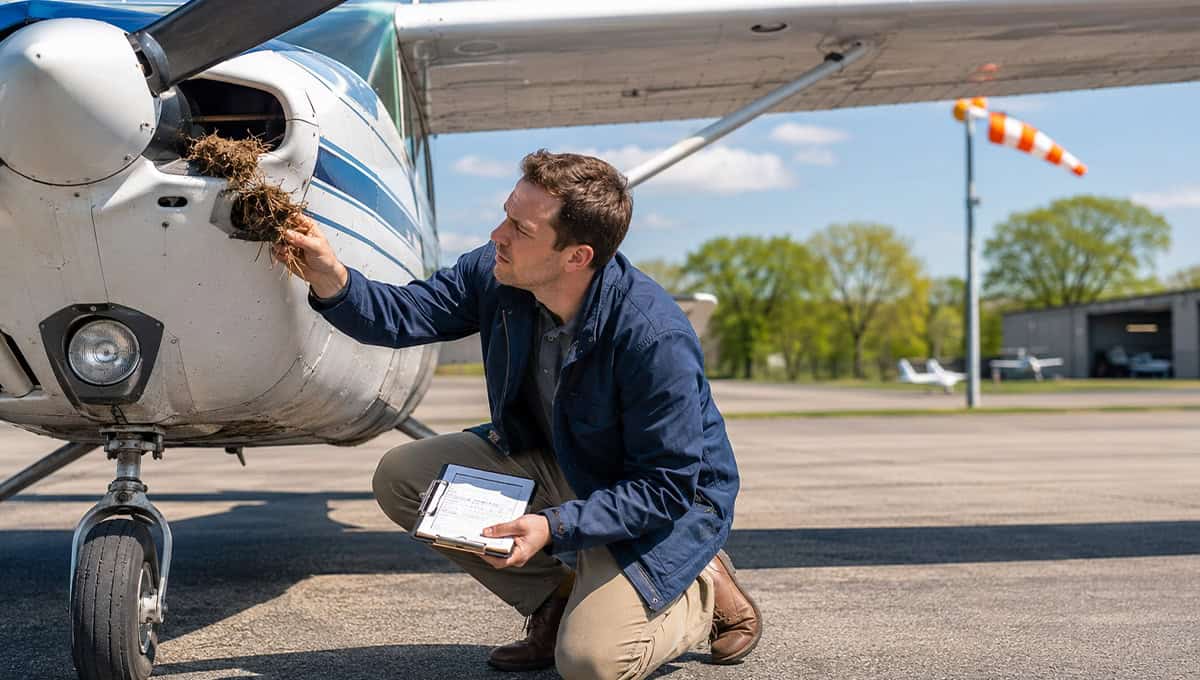
If an aircraft has been sitting more than usual through winter, spring is the time to slow down and look closely. Tires, battery condition, fluid levels, fuel quality, control surfaces, pitot-static openings, cowl openings, and general signs of wear or damage all deserve a careful look.
Spring can also mean birds, insects, nesting materials, and debris in places you may not expect. AOPA has also warned pilots to be especially alert for debris in aircraft openings during spring preflight inspections.
This is not the season to rush because the weather finally looks good. Give yourself extra time at the hangar or ramp. Bring a flashlight. Open what needs to be opened. Look where you normally look — and then look a little deeper.
3. Ignoring Pilot Rust After a Slow Winter
Aircraft are not the only things that can sit through winter. Pilot skills can get a little rusty too.
Even experienced pilots can feel slightly behind the airplane after a long break. Radio rhythm may feel slower. Crosswind landings may not feel as sharp. Pattern work, checklists, emergency procedures, and cockpit flow may need a little refreshing.
One of the smartest spring flying tips is simple: do not make the first flight of the season your most ambitious flight.
Before planning a long cross-country or loading passengers into the airplane, consider a shorter confidence-building flight. Practice takeoffs and landings. Review emergency procedures. Work with a CFI if you feel out of rhythm. There is no shame in sharpening skills before pushing into a busy flying season.
A good pilot is not the one who pretends rust does not exist. A good pilot notices it early and corrects it before it becomes a problem.
4. Planning Too Much Into the First Few Flights
Spring makes pilots excited — and sometimes that excitement leads to overplanning.
The first good-weather weekend arrives, and suddenly the plan includes a long cross-country, lunch at a new airport, passengers, unfamiliar airspace, and a tight return window. That can be a lot, especially if you have not flown much recently.
Spring flying season is better when you build momentum gradually. Start with a simple route. Choose familiar airports. Leave extra time. Avoid forcing the flight into a narrow schedule. Let the first few spring flights rebuild confidence instead of testing every limit at once.
This is especially true if you are flying with family or friends. Passengers may be excited, but they also add pressure. A shorter, smoother flight is usually a better experience than a complicated trip that feels rushed from start to finish.
5. Forgetting the Little Comfort Items That Make Flying Better
Not every spring flying mistake is a safety issue. Some mistakes simply make the day less enjoyable.
Spring flying often means brighter sun, changing temperatures, windy ramps, and more time outside the airplane before and after the flight. A good pair of sunglasses, a comfortable aviation hat, layered clothing, water, and a clean flight bag can make a big difference.
This is also the season when pilots start spending more time around the airport again — talking at the FBO, meeting other pilots, attending fly-ins, and taking weekend trips. It is a good reminder that pilot gear should be practical, comfortable, and personal.
That is where custom aviation apparel fits naturally into the flying lifestyle. A favorite hat or polo embroidered with your aircraft silhouette and tail number is not just another piece of clothing. It is part of the connection between pilot and airplane.
If you are refreshing your spring flying gear, explore our custom tail number apparel for pilots, including hats, polos, hoodies, jackets, and everyday aviation gear designed for life on and off the ramp.
Spring Flying Is Better When You Slow Down First
Spring is one of the best seasons to fly. The airport comes back to life, the weather opens up, and pilots get to reconnect with the airplane after a slower winter.
But the best spring flying tips are not complicated. Respect the weather. Take the preflight seriously. Be honest about pilot rust. Keep early flights simple. And bring the right gear for long days around the airport.
The goal is not just to get back in the air. The goal is to get back in the air safely, confidently, and ready for the flying season ahead.
Recommended Pilot Gear for Spring Flying Season
Before your next weekend flight or spring airport visit, take a look at our custom aviation gear made for pilots who want something more personal than generic apparel.
- Custom Tail Number Hats for Pilots
- Custom Pilot Polo Shirts
- Spring Flying Essentials Every Pilot Should Have
Whether you fly high-wing, low-wing, glider, or something in between, Tail Number Gear helps you wear the aircraft you love with pride.
FAQ: Spring Flying Tips for Pilots
What should pilots watch for during spring flying season?
Pilots should watch for gusty winds, changing weather, crosswind conditions, aircraft maintenance issues after winter, and personal rust if they have not flown regularly.
Why is spring preflight inspection important?
Spring preflight inspection is important because aircraft may have sat for longer periods during winter. Pilots should check tires, battery condition, fuel quality, fluids, control surfaces, openings, and any signs of debris or nesting.
Is spring a good time for cross-country flying?
Yes, spring can be a great time for cross-country flying, but pilots should plan conservatively. Weather can change quickly, and early spring flights are often better when routes are simple and flexible.
What gear should pilots keep handy in spring?
Useful spring flying gear includes sunglasses, a comfortable aviation hat, layered clothing, water, a clean flight bag, current charts or apps, and any aircraft-specific items needed for the flight.
Should pilots fly with an instructor after winter?
If a pilot feels rusty, flying with an instructor is a smart decision. A short refresher flight can help rebuild confidence with landings, radio work, emergency procedures, and cockpit flow.

[…] rather than a new checklist invented from scratch. Many of the same habits discussed in our spring flying tips still matter, but the seasonal trend is now moving in the opposite direction: less daylight, lower […]